
Reviewed · LJUBLJANA TOURS
Slovenia: Belokranjska Pogača Cooking Class
Belokranjska Pogača is more than a round loaf of bread. It is a small, edible lesson in Slovenian identity, and this two-hour cooking class lets you make it yourself rather than simply order it in a restaurant. Luka leads you through the dough, the baking, and the tasting, with plenty of conversation about Slovenia along the way.
I like the hands-on format, since you knead, roll, shape, and bake the bread yourself. I also like the friendly cultural side: Luka has shared Slovenian wine, local customs, history, and stories about the country while the dough rests.
The main drawback is practical rather than culinary. The meeting point can be tricky to spot, with a broken concrete fountain, a passageway, and a large clear shop window serving as landmarks. Give yourself extra time to find it, especially if you are arriving by bus or on foot.
Key points to know before booking
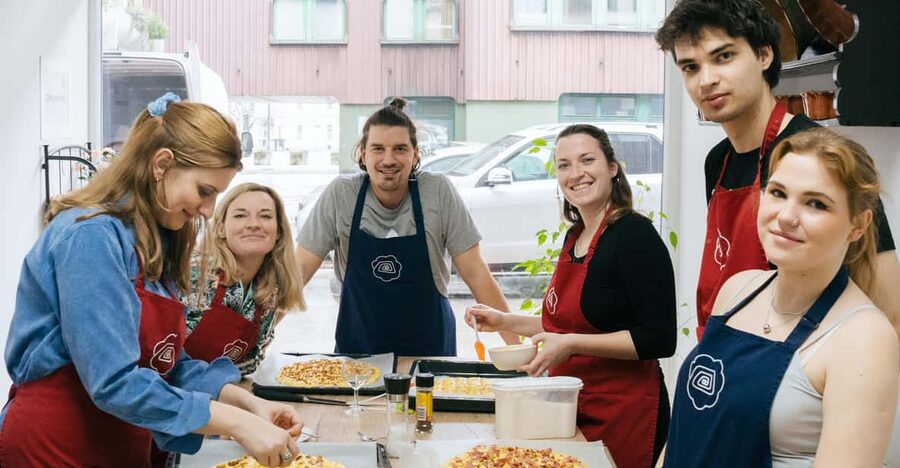
- You make the bread yourself: Kneading, shaping, baking, and tasting are all part of the class.
- Luka adds a personal cultural layer: Conversation can include Slovenian people, history, wine, and countryside.
- The class stays small: No more than 10 participants, with some sessions operating as private classes when only one person books.
- It suits families: Luka has been praised for explaining the cooking clearly and working well with children and teenagers.
- The location takes a little detective work: Look for the small square, broken fountain, and large clear window.
- $53 buys a full two-hour activity: Ingredients, equipment, instruction, and your finished bread are included.
Why Belokranjska Pogača makes a good Slovenian food experience
Many cooking classes teach a recipe. This one gives you a direct connection to Bela Krajina, the southeastern Slovenian region where Belokranjska Pogača comes from.
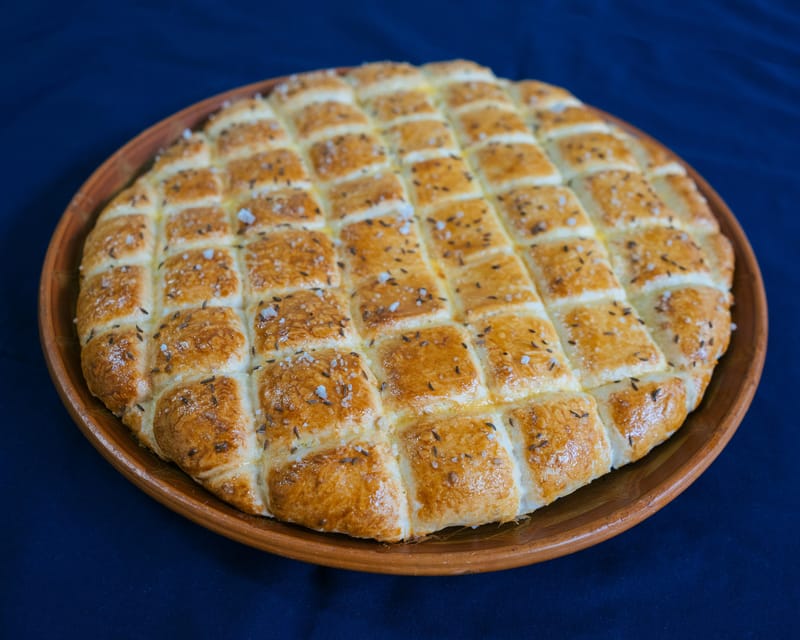
The bread is savory, soft inside, and baked until the outside turns pleasantly golden. It is made from simple ingredients, but the class places those ingredients in a wider setting. You learn why this bread matters in Slovenian households and how food can carry family customs from one generation to the next.
I like this kind of activity because it gives you something to remember beyond a photograph. You leave with baking skills, a better sense of Slovenian food culture, and the satisfaction of eating something you shaped with your own hands.
The class also works well for visitors who want a break from formal sightseeing. After a morning of churches, museums, or city streets, sitting at a kitchen table with dough in front of you offers a slower change of pace.
A few more Ljubljana half-days to weigh up
- Ljubljana: Traditional Slovenian štrukelj Cooking Class
★ 4.9 · 58 reviews - sLOVEnian Strukelj Traditional Cooking Class
★ 4.0 · 10 reviews - Private Mediterranean Fish Cooking Workshop with Irena
★ 5.0 · 118 reviews
Finding the small square and clear-window shop
The meeting point is not described by a famous landmark or a large sign. Instead, you look for a small square surrounded by buildings. A broken concrete fountain sits in the middle.
There are two useful approaches. You may pass a Chinese restaurant near the old church, or use a small passageway through a building close to the bus stop. The shop has a large clear window, which should help once you are in the right area.
This is one part of the experience where a few extra minutes matter. The instructions are vivid, but the setting sounds easy to miss if you are walking quickly or arriving in the afternoon. I would not plan to arrive exactly at the start time.
Parking is handled differently depending on the time of day. In the morning, free spaces can be found on the platform behind the building. In the afternoon, call Luka for help. He uses WhatsApp, which makes that arrangement fairly simple if you have mobile data or a local connection.
One participant reached the location by bus from the city centre and found it easy to access. Since the exact starting times vary, check the available session when you book and plan your route around that time.
Settling around the kitchen table
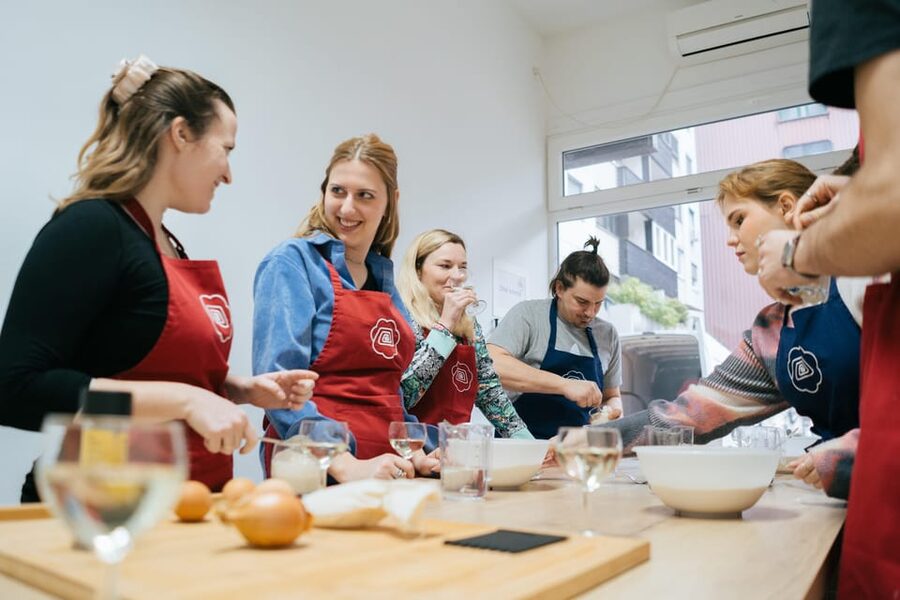
The class begins with an introduction to Belokranjska Pogača and its place in Slovenian culture. This opening matters because it gives the recipe a reason to exist. You are not simply following measurements from a card. You are learning about a bread tied to home cooking, gatherings, and regional tradition.
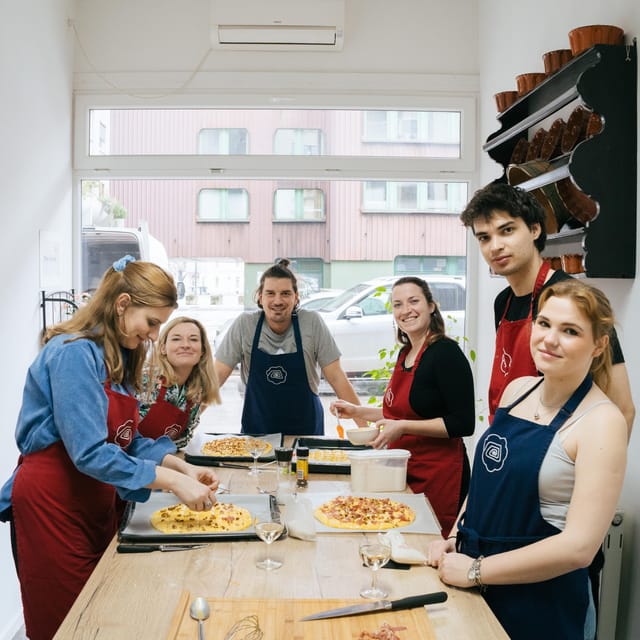
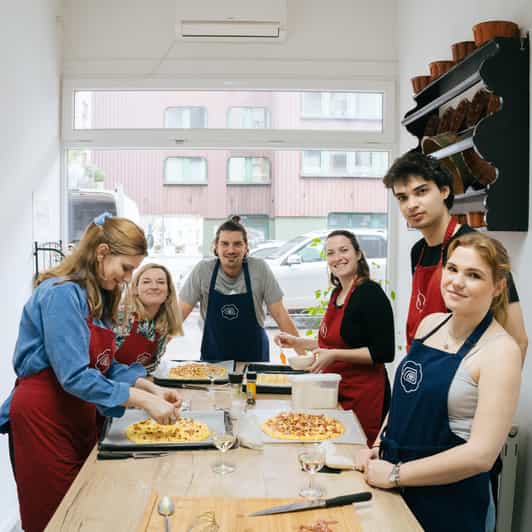
The group size is limited to 10 people. That is small enough for the instructor to watch what you are doing and answer questions without turning the class into a crowded demonstration.
Some of the strongest feedback comes from solo participation. One person booked alone and effectively had a private class. That can make a big difference if you want to ask lots of questions or prefer a more personal pace.
The setting is described as light and pleasant, with a large kitchen table as the center of the activity. You can expect the atmosphere to be informal rather than polished and theatrical. That is a good match for a traditional bread class, where the appeal comes from working with your hands and talking with the person teaching you.
Instruction is available in English and Slovenian. Luka has been praised for speaking excellent English and for explaining each stage clearly. That should be reassuring if you know little about Slovenian food or baking.
Kneading, rolling, and shaping the dough
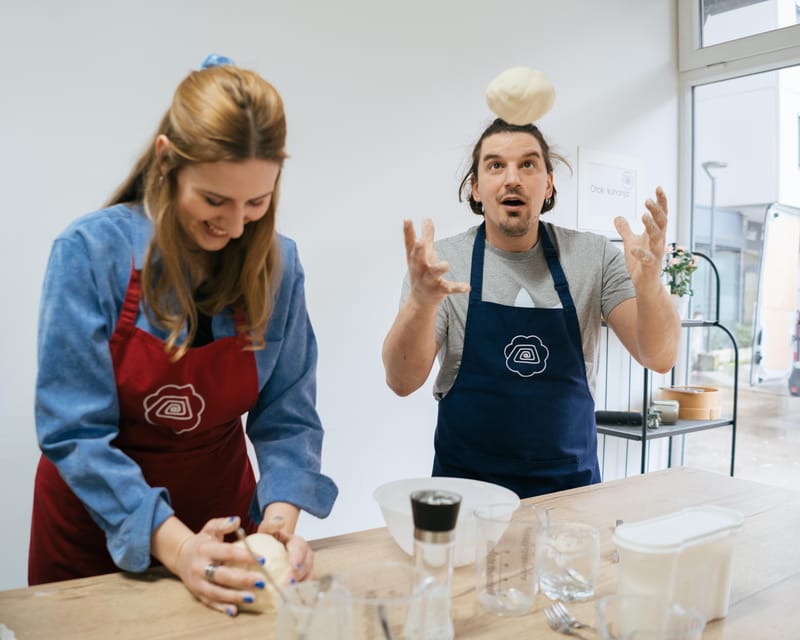
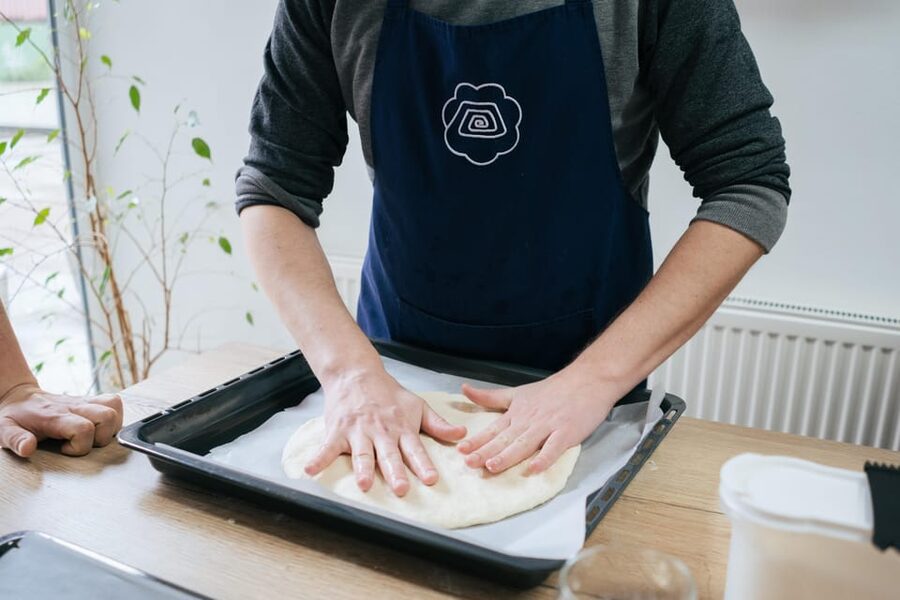
The practical work is the heart of the class. You knead the dough, roll it, and shape it under guidance from the instructor.
For a first-time baker, this is where the price begins to make sense. You are not only watching someone else prepare the bread. You are learning how the dough feels, how it changes as you work it, and how careful shaping affects the finished loaf.
The pace includes waiting. Yeast needs time to prove, the dough needs time to rise, and the bread needs time in the oven. Those pauses are not wasted. They give Luka a chance to talk about Slovenia, its people, its history, and its countryside.
One participant especially valued those conversations, along with Slovenian wine offered during the waiting periods. The wine is an added social touch, but it should not be treated as the main feature of the class. The core experience remains the bread, the instruction, and the chance to talk with your host.
The class may be especially good for families. Luka has been praised for knowing how to work with children and teenagers, which suggests that younger participants are not expected to stand quietly at the edge of the kitchen. The physical tasks give them something real to do, and the finished bread provides an immediate reward.
Still, remember that baking involves waiting as well as action. If you want two nonstop hours of activity, this may feel slower than expected. If you enjoy conversation and a relaxed rhythm, the pauses add to the experience.
Same short drive, a completely different day out:
- Ljubljana: Postojna Cave & Predjama Castle Tickets and Tour
★ 4.9 · 2,146 reviews - From Ljubljana: Trip to Lake Bled and Bled Castle
★ 4.7 · 1,426 reviews - Slovenia in One Day: Lake Bled, Postojna Cave and Predjama Castle
★ 5.0 · 879 reviews - Ljubljana: Castle Entry Ticket with Optional Funicular Ride
★ 4.3 · 718 reviews
From oven to table
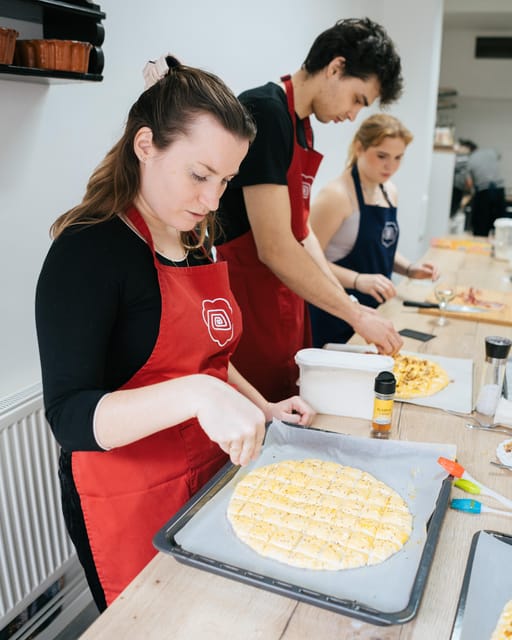
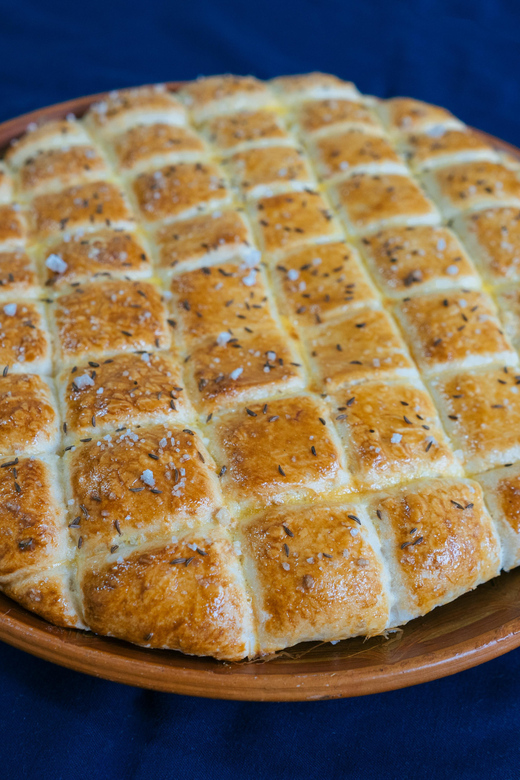
Once shaped, the Pogača goes into the oven. The final stage gives you a clear payoff: a warm loaf with a crusty outside and a soft interior.
You taste the bread you have made, which is the most satisfying part of any cooking class. The flavor is savory, with herbs adding an earthy note to the bread. The result is simple, but that is part of its appeal. Belokranjska Pogača does not need a complicated presentation to feel special.
You also get a useful sense of proportion. Traditional foods often look easy after someone has mastered them. Making the bread yourself shows the small decisions involved, from working the dough to shaping it correctly and judging when it is ready.
The class includes the ingredients and cooking equipment, so you do not need to bring supplies. You also get the finished bread and the skills to try making it again later. That makes the experience more useful than a tasting alone.
Do not expect to leave with a large collection of dishes or a full Slovenian meal. The focus is one traditional bread. That narrow focus is a strength if you want to learn one recipe properly, but a limitation if you are looking for a broad survey of Slovenian cooking.
Luka’s role in the experience
The instructor can make or break a short class. Here, Luka is central to the experience.
He explains each step clearly and speaks English well enough for extended conversation. That matters because the class contains periods when the dough is proving or baking. Rather than filling every minute with technical instruction, Luka uses the time to discuss Slovenia, its people, its past, and its countryside.
I also like the evidence that he can adjust his approach. A solo participant received a private class, while a family group found him comfortable with children and teenagers. That kind of flexibility is valuable in a small activity.
The information identifies the experience provider as Polak Tomaž, while the class feedback refers to Luka as the host and instructor. When you book, check the confirmation details so you know exactly who to contact if you need help finding the meeting point.
The class is not only about learning a formula. It is also about having a good conversation with someone who can place the food in its national setting. If you enjoy asking questions, this will likely be more rewarding than a demonstration where you simply watch and leave.
Is $53 a fair price?
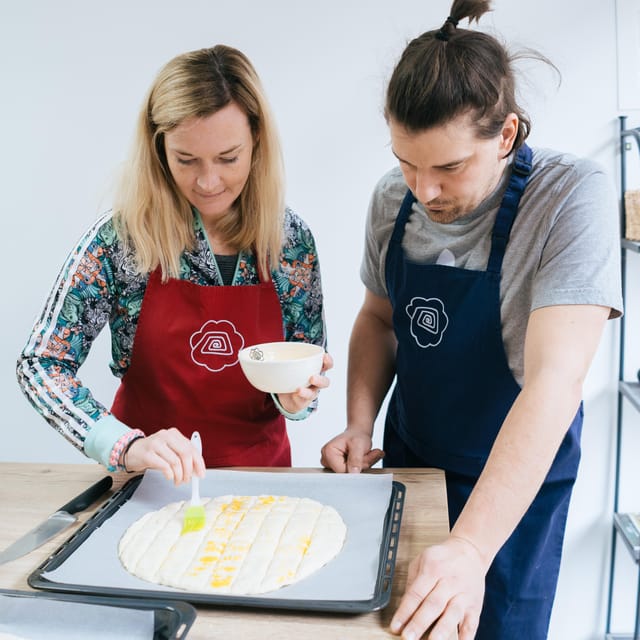
At $53 per person, the class sits in the reasonable range for a two-hour food activity, particularly because the price includes the ingredients, equipment, instruction, baking, and tasting.
The value comes from several parts working together. You receive a practical lesson, a finished food experience, cultural context, and time with a local host. You are also paying for a small group, capped at 10 participants, rather than a large class where personal attention may be limited.
The price is strongest for people who genuinely want to cook. If you only want to taste Slovenian bread, buying it elsewhere would probably be cheaper and quicker. You are paying here for the process and the conversation as much as for the bread itself.
Solo visitors may find the cost worthwhile because a booking can become a private class. Families may also see good value in an activity that gives children a clear role and ends with something everyone can eat.
The calculation is less convincing if you are trying to pack several major sights into a tight schedule. Two hours is not a huge commitment, but finding the meeting point, arriving, and continuing to your next stop will take a little more time.
Who should book this cooking class?
I would recommend it most to:
- Food-focused visitors who want to learn one traditional Slovenian recipe.
- Solo visitors who like personal instruction and conversation.
- Families with children or teenagers who need a practical activity rather than a long lecture.
- Couples and friends looking for a relaxed shared experience.
- Culture-minded visitors who want food linked to regional history and daily life.
- People staying long enough to enjoy a two-hour class without rushing to another sight.
It may be less suitable if you dislike bread making, have no interest in conversation, or want a large meal with several courses. The class has one clear subject, and it stays with it.
You should also consider the language arrangement. English and Slovenian are offered, and the available feedback describes Luka’s English as excellent. If you need another language, the provided information does not confirm that one is available.
The activity is wheelchair accessible, which makes it a useful option for visitors checking access needs. For other specific requirements, ask before booking rather than assuming the kitchen setup will suit every situation.
Booking, timing, and cancellation details
The class lasts two hours, but starting times depend on availability. Check the date and time before you commit, then allow a little extra time for the meeting point.
You can reserve now and pay later, which helps if your Slovenian schedule is still changing. Cancellation is free up to 24 hours before the activity for a full refund.
The group limit is 10 people. If you prefer a quieter session, booking early may be sensible, though the class can also be private when only one person attends.
For parking, morning spaces are available on the platform behind the building. In the afternoon, contact Luka through WhatsApp for assistance.
Final decision: a small class with a real Slovenian flavor
You should book this class if you want to do something hands-on and leave with more than a few food photographs. The bread is the anchor, but the personal conversation with Luka, the Slovenian wine, and the stories about the country give the two hours extra value.
I would be most likely to recommend it to solo visitors, families, and anyone who enjoys local food in an informal setting. Just allow time to find the small square and do not expect a full cooking tour of Slovenia. You will make one bread, but you will get a useful taste of the place it comes from.
FAQ
How long does the Belokranjska Pogača cooking class last?
The class lasts two hours. Starting times vary, so check availability for your chosen date.
How much does the class cost?
The listed price is $53 per person.
What do I make during the class?
You make Belokranjska Pogača, a traditional savory bread from Slovenia’s Bela Krajina region.
Are ingredients and equipment included?
Yes. The class includes all necessary ingredients and cooking equipment.
Is the class taught in English?
Yes. The instructor offers the class in English and Slovenian.
How many people can join?
The class is limited to 10 participants. A solo booking may operate as a private class.
Is the activity wheelchair accessible?
Yes, the activity is listed as wheelchair accessible.
Just added around Ljubljana
- Woop! Fun park with 21 attractions★ 4.6 · 3 reviews
- Postojna Cave and Predjama Castle Tour from Ljubljana★ 5.0 · 3 reviews
- Postojna Caves and Predjama Castle. Private trip.★ 4.5 · 3 reviews
- Introduction to the Specialty Coffee world in Ljubljana★ 5.0 · 3 reviews
- Full-day tour of Postojna Cave and Bled Lake From Ljubljana★ 5.0 · 3 reviews
- Private Zagreb Tour from Ljubljana★ 4.5 · 3 reviews
- Ljubljana: Interactive Workshop with Experienced Weaver★ 5.0 · 3 reviews
- The Deadly Walk – Ljubljana Cemetery Tour★ 5.0 · 3 reviews
Ljubljana Tours, compared.
Postojna Cave & Predjama Castle Tickets and Tour
Read our review →
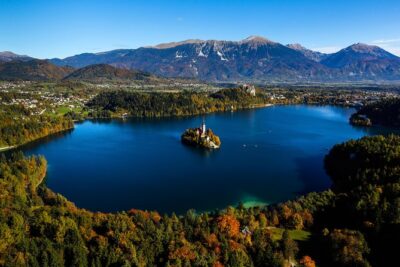
Slovenia in One Day: Lake Bled, Postojna Cave and Predjama Castle
Read our review →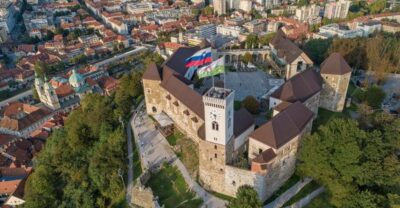
Ljubljana: Castle Entry Ticket with Optional Funicular Ride
Read our review →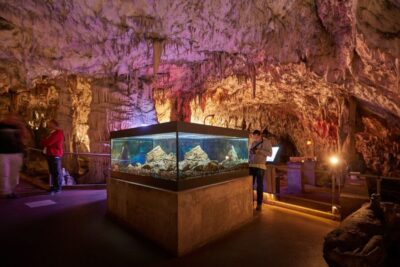
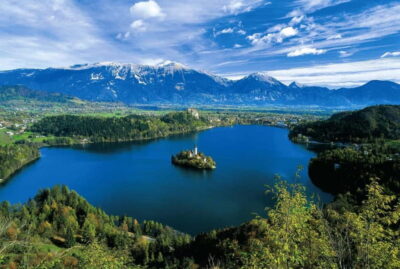
Lake Bled and Bohinj Tour with Savica Waterfall
Read our review →
Guided Walk & Funicular Ride to Ljubljana Castle
Read our review →Browse the lists this tour appears in