
Reviewed · LJUBLJANA TOURS
Ljubljana: Secrets of the Old Town & Ljubljana’s people
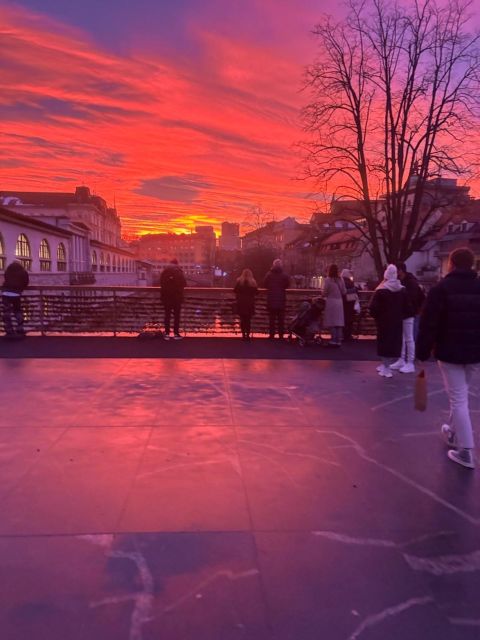
Ljubljana’s old town makes the most sense when you follow its waterways and bridges. This two-hour walk links the Dragon Bridge, Butchers Bridge, Three Bridges, Cobblers Bridge, central market, and riverfront into one clear story about how the city grew. You also meet important Slovenians through their portraits on old currency and learn why Ljubljana is called Europe’s green capital.
I like the way this tour mixes famous sights with smaller details, including a tiny street, local shops, restaurants, and the love story connected with the poet on the main square. I also like that the guide talks about life in Ljubljana today, along with plans for the city’s future, instead of stopping at Roman ruins and medieval dates.
The main thing to consider is the pace. Two hours gives you a useful first look, but you will be walking most of that time. Comfortable shoes matter, and the tour is best for anyone who wants an introduction rather than long interior visits. Entry tickets are not included.
Key points to know before you book
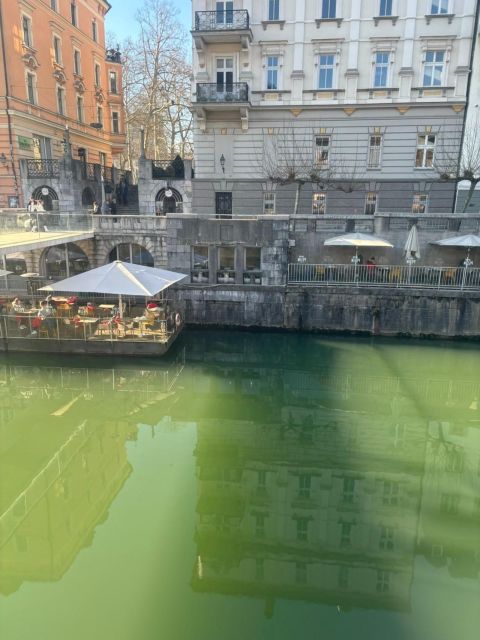
- The river is the tour’s connecting thread: You see how water shaped Ljubljana’s streets, bridges, market, and public life.
- The route covers many central sights: Expect the Dragon Bridge, Butchers Bridge, Three Bridges, cathedral, City Hall, National Library, Congress Square, and more.
- Slovenian people receive real attention: Old banknotes help introduce major figures from the country’s culture and past.
- The tour includes modern Ljubljana: Your guide discusses daily life, the city’s future plans, and the reasons behind its green reputation.
- You get practical local advice: Recommendations and partner discounts are included, useful if you plan to eat, shop, or explore further.
- The format is easy to fit into a trip: It lasts two hours, is wheelchair accessible, and can be booked for a private group.
Why Ljubljana’s water and bridges matter
Start by looking at Ljubljana as a river city rather than a collection of isolated sights. The water helps explain the shape of the old town and the way people move between its squares, markets, and public buildings.
This focus gives the walk a useful structure. Instead of hearing a string of unrelated facts, you can connect one bridge to the next and see how the river has influenced trade, transport, meeting places, and city design.
The Dragon Bridge is an obvious early highlight. Its dragon figures have become a symbol of Ljubljana, and the bridge gives you one of the city’s most recognizable photo stops. Your guide also places it within the wider story of Ljubljana’s water and bridges, so it is more than a quick picture opportunity.
The Butchers Bridge offers a different mood. Its name points to the old market and working life near the river, while its present-day role shows how Ljubljana has reused and refreshed its central spaces. You should expect to hear how older functions and current city life meet here.
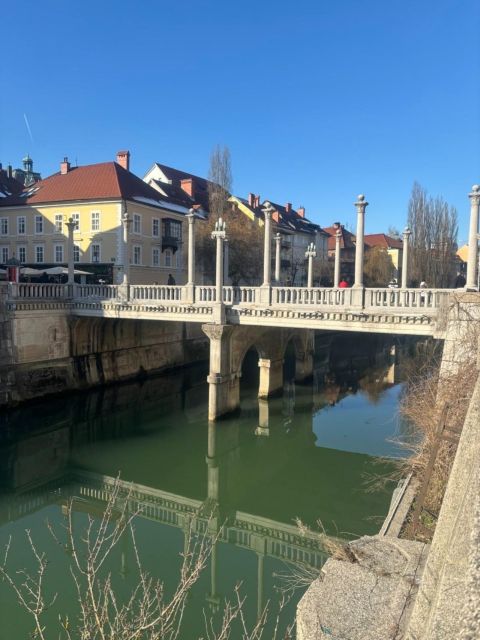
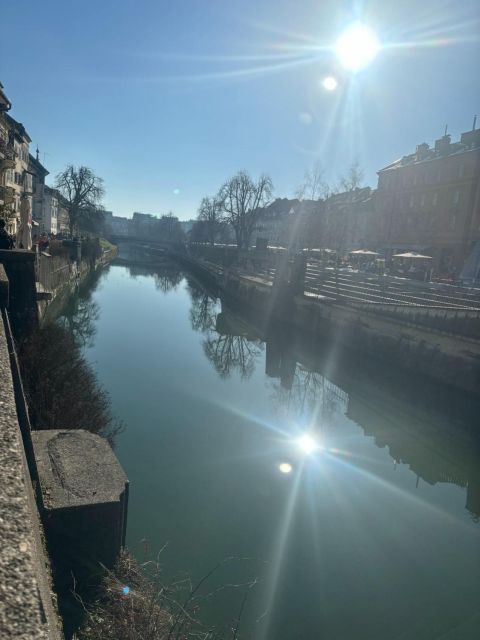
The route also includes Three Bridges and Cobblers Bridge. Three Bridges is especially useful for understanding how one crossing became part of a larger public space. Cobblers Bridge adds another view of the riverfront and helps complete the pattern. Together, these stops show why bridges are such a large part of Ljubljana’s identity.
A few more Ljubljana half-days to weigh up
- Ljubljana: Postojna Cave & Predjama Castle Tickets and Tour
★ 4.9 · 2,146 reviews - From Ljubljana: Trip to Lake Bled and Bled Castle
★ 4.7 · 1,426 reviews - Slovenia in One Day: Lake Bled, Postojna Cave and Predjama Castle
★ 5.0 · 879 reviews
The central market and the city’s everyday life
The central market is one of the places where this tour moves beyond monuments. You get a look at the part of town where food, shops, and daily errands meet the historic center.
I find this kind of stop valuable early in a visit because it gives you a sense of how the city works now. The tour is not only about kings, architects, poets, or old battles. It also asks how people live, shop, eat, and use the center today.
Your guide may point out nearby food options, shops, and restaurants. Those recommendations are practical, especially if you have just arrived and want to stay close to the old town. Partner discounts are also included, though the activity information does not specify each business or the size of each discount.
The market is also a good place to keep your camera ready, but do not let photography take over. The value here is in seeing the relationship between the market, river, bridges, and surrounding squares. You can return later if you want more time to browse.
Cathedral, fountains, and the old town’s public spaces
The cathedral adds a more formal stop to the walk. Your guide includes it among the key sights, along with the Fountain of Three Rivers. These places help explain how religion, public art, and civic life shaped the old center.
The Fountain of Three Rivers is a particularly useful detail because it brings water back into the story in a symbolic way. After seeing the actual river and its bridges, you encounter water represented in a public monument.
The main square follows with a cultural story tied to a Slovenian poet and a love story. This gives the square more character than a simple architectural stop. You learn how national culture can be present in a public place through literature, memory, and local identity.
The tour also introduces important Slovenians through their faces on old money. That is a clever way to make cultural figures easier to remember. Instead of receiving a long list of names, you see the people who were considered important enough to appear on Slovenia’s currency.
This part suits you if you like history presented through people rather than dates alone. It also gives you a useful base for recognizing Slovenian names and cultural references during the rest of your visit.
Congress Square, Star Park, and the National Library
Congress Square and Star Park broaden the tour beyond the narrow old streets. Open public spaces can be easier places to understand the city’s layout, especially after walking across several bridges and through the market area.
The National Library adds another cultural landmark. You should expect the guide to explain its place in Ljubljana’s story, though this is a walking tour and not an entry visit. The route does not include interior admission, and entry tickets are not part of the price.
This is an important distinction when you compare tours. You are paying for a guided walk and local explanation, not for access to museums, the cathedral interior, or other ticketed sites. If you want extensive time indoors, you will need to arrange that separately.
Still, an outside look can be enough on a first visit. The guide helps you decide which places deserve a return visit, and the recommendations included with the tour can help you use your remaining time well.
Same short drive, a completely different day out:
- Ljubljana: Castle Entry Ticket with Optional Funicular Ride
★ 4.3 · 718 reviews - From Ljubljana: Lake Bled & Postojna Cave with Entry Tickets
★ 4.8 · 694 reviews - Ljubljana: Lake Bled and Bohinj Tour with Savica Waterfall
★ 4.8 · 650 reviews - From Ljubljana: Guided Day Tour to Soča and Kranjska Gora
★ 4.9 · 584 reviews
City Hall and the secret tiny street
City Hall is one of the final major points listed on the route. It brings the walk back to civic Ljubljana, where local government and public life meet the historic center.
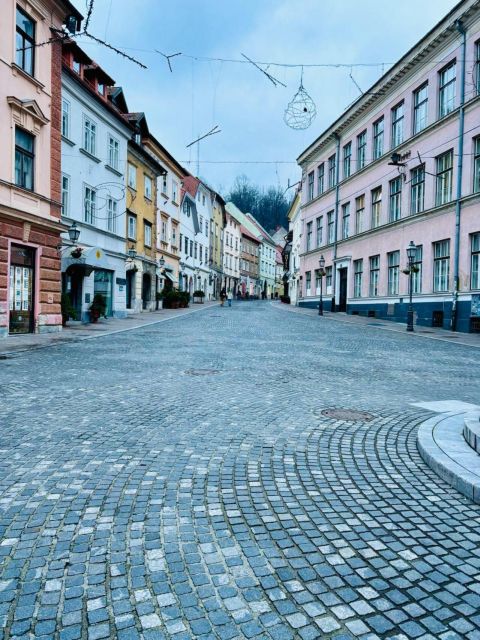
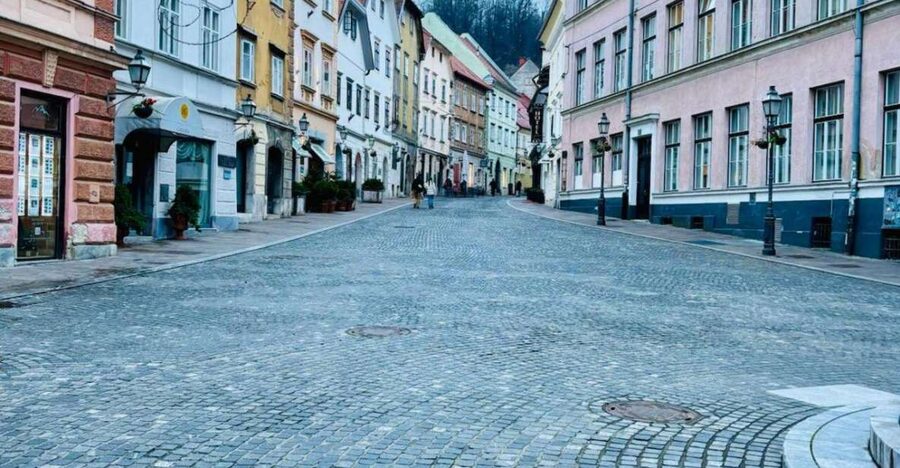
The inclusion of a secret tiny street gives the tour a welcome change of scale. Large squares and famous bridges tell you about the city’s public face. A narrow street shows how the old center can turn quiet and intimate within a few steps.
The exact name and character of this street are not specified, so you should treat it as a small discovery rather than plan around a particular landmark. The point is the contrast: Ljubljana’s center includes both headline sights and easily missed corners.
The walk finishes back at Mestna Hiša, Trubarjeva cesta 4, according to the supplied meeting and drop-off information. The exact meeting point may vary with the option you choose, so check your booking details before setting out.
What the guide adds to the two-hour format
A licensed professional guide is included, and the tour is offered in Czech, Croatian, English, German, Polish, Slovenian, Spanish, and Italian. That range makes the experience useful for many visitors, but you should confirm the language and start time when booking.
The guide’s role matters because the route includes several places that can look simple at first glance. A bridge may seem like a photo stop, a square may look like an open paved area, and a fountain may be easy to pass without context. The guide connects those details to culture, city planning, and daily life.
Two guides specifically associated with strong feedback are Arthur and Klemen. Arthur was praised for his passionate storytelling, while Klemen was noted for presenting interesting facts and covering a lot of ground efficiently. Guides can vary by date, so you should not assume either one will lead your particular departure.
The two-hour length is a sensible fit for your first afternoon in Ljubljana. It is long enough to cover the central sights without taking up half a day. At the same time, it means the guide cannot stop for extended visits at every location.
The walk requires a moderate level of fitness. Bring comfortable shoes, a reusable water bottle, and an umbrella. A camera is useful, and carrying some cash makes sense because it is specifically recommended for the activity. Drones, audio recording, alcohol, drugs, and feeding animals are not allowed.
Is $58 a fair price?
At $58 per person, this is not the cheapest way to stroll through Ljubljana, since the old town is compact and many sights can be seen without a ticket. The value comes from the guide’s interpretation, the route planning, and the number of themes covered in two hours.
You are not simply paying to be led from one landmark to another. The tour combines Roman-era beginnings, the Middle Ages, changes after a major earthquake, Slovenian cultural figures, water, bridges, markets, and current city plans.
That is a lot for one short walk. The tradeoff is depth. You will receive an overview of many sites rather than a long examination of any single one. Since entry tickets are excluded, the price makes the most sense if you want orientation, context, and recommendations at the start of your stay.
The included partner discounts may add some practical value, but the details are not listed. I would treat those as a bonus, not the main reason to book.
A private group is available if you want a more personal format. The cost and group terms are not specified here, so check the selected option before paying. A private booking may suit families or friends who want to ask more questions and set a more relaxed rhythm, if the provider’s terms allow it.
Who will get the most from this walk?
This tour is a good match for a first visit to Ljubljana. You get the basic map in your head, learn which bridges and squares matter, and receive ideas for food, shops, restaurants, and later sightseeing.
It also suits you if you enjoy cultural context. The references to Slovenian poets, important national figures, old money, the cathedral, National Library, and the city’s green policy give the walk more substance than a simple photo tour.
Families and mixed-interest groups may like the balance. The dragons, bridges, market, and tiny street offer visual variety, while the stories about people and city life give adults more to follow.
You may want a different experience if you prefer museums, long interior visits, or a slow walk with plenty of time at each stop. You should also think twice if a two-hour walk would be tiring. Wheelchair access is available, but the activity still involves continuous walking, so confirm any personal mobility needs when booking.
Practical planning for your Ljubljana visit
Book this walk near the beginning of your stay if you can. The route covers the main central sights, and the food, shop, and restaurant suggestions are more useful when you still have time to act on them.
Wear shoes that can handle two hours on city streets. Bring an umbrella because weather can change, and carry water in a reusable bottle. You do not need to plan around admission fees during the walk, since entry tickets are not included.
The activity offers free cancellation up to 24 hours before the start for a full refund. You can also reserve now and pay later, which helps if your schedule is still shifting.
The meeting point can vary according to the option selected. Mestna Hiša, Trubarjeva cesta 4, is given as the main start and return location, but read the final booking details rather than relying on a general map pin.
The overall rating is 4.7 from 42 reviews, with especially strong praise for guide passion, interesting facts, and an efficient amount of walking. That matches the tour’s strongest feature: it gives you a broad, human introduction to Ljubljana without demanding an entire day.
Should you book Ljubljana’s Secrets of the Old Town?
Book it if you want a clear first look at Ljubljana through its bridges, river, market, people, and public squares. The route covers a lot, and the best part is the connection between the sights. You leave with more than a list of names.
At $58, I would choose this tour for the guide and the stories, not for access to attractions. It is a good buy for first-time visitors who value local explanation and practical recommendations.
Skip it if you have already explored the old town thoroughly, dislike guided walks, or want substantial time inside buildings. For everyone else, the two-hour format offers a useful introduction, especially when led by a guide such as Arthur or Klemen and delivered with the same energy noted in the supplied feedback.
FAQ
How long does the Ljubljana old town tour last?
The walking tour lasts two hours.
How much does the tour cost?
The listed price is $58 per person.
What sights are included on the route?
The route includes the Dragon Bridge, Butchers Bridge, Ljubljana central market, cathedral, Fountain of Three Rivers, Three Bridges, the main square, Congress Square, Star Park, National Library, Cobblers Bridge, a small secret street, and City Hall.
Is the tour conducted in English?
Yes. English is one of the available tour languages. Other listed languages are Czech, Croatian, German, Polish, Slovenian, Spanish, and Italian.
Is the walking tour wheelchair accessible?
Yes, the activity is listed as wheelchair accessible.
Are admission tickets included?
No. Entry tickets are not included in the tour price.
What should I bring?
Bring comfortable shoes, an umbrella, a camera, cash, and a reusable water bottle. The tour involves a two-hour walk and requires a moderate level of fitness.
Just added around Ljubljana
- Woop! Fun park with 21 attractions★ 4.6 · 3 reviews
- Postojna Cave and Predjama Castle Tour from Ljubljana★ 5.0 · 3 reviews
- Postojna Caves and Predjama Castle. Private trip.★ 4.5 · 3 reviews
- Introduction to the Specialty Coffee world in Ljubljana★ 5.0 · 3 reviews
- Full-day tour of Postojna Cave and Bled Lake From Ljubljana★ 5.0 · 3 reviews
- Private Zagreb Tour from Ljubljana★ 4.5 · 3 reviews
- Ljubljana: Interactive Workshop with Experienced Weaver★ 5.0 · 3 reviews
- The Deadly Walk – Ljubljana Cemetery Tour★ 5.0 · 3 reviews
Ljubljana Tours, compared.
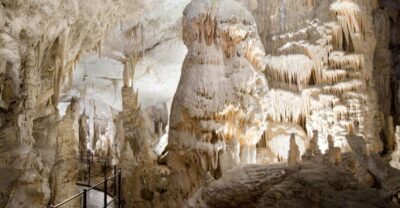
Postojna Cave & Predjama Castle Tickets and Tour
Read our review →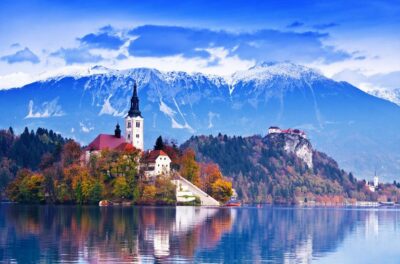
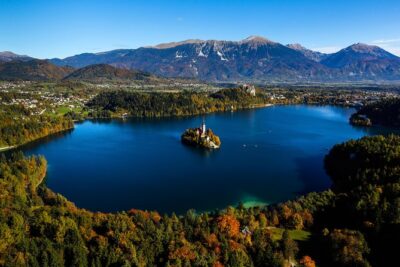
Slovenia in One Day: Lake Bled, Postojna Cave and Predjama Castle
Read our review →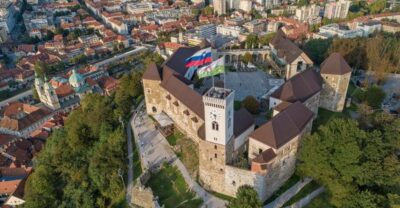
Ljubljana: Castle Entry Ticket with Optional Funicular Ride
Read our review →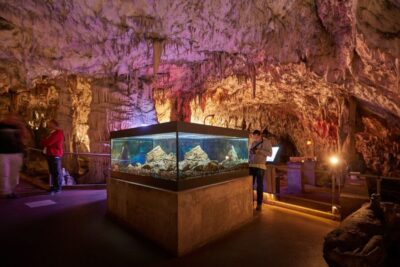
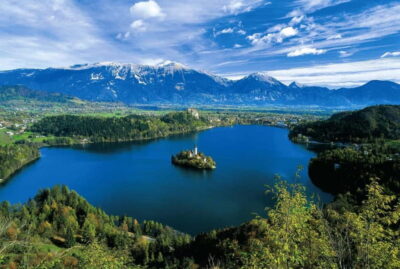
Lake Bled and Bohinj Tour with Savica Waterfall
Read our review →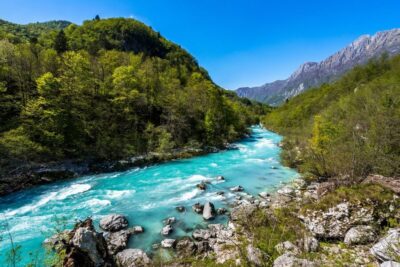
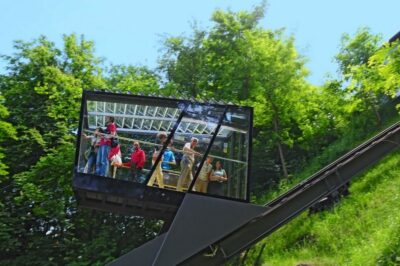
Guided Walk & Funicular Ride to Ljubljana Castle
Read our review →Browse the lists this tour appears in